
HTV offers the globally unique HTV-TAB®PLUS Long-Term Conservation process for the Long-Term Storage of electronic components for up to 50 years
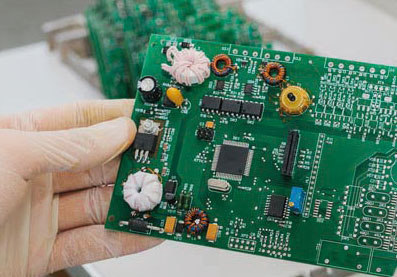
HTV-TAB®PLUS Long-Term Conservation and long-term storage of electronic components
Our service:
- HTV-TAB®PLUS Long-Term Conservation process (Thermal-Absorptive-Gassing):
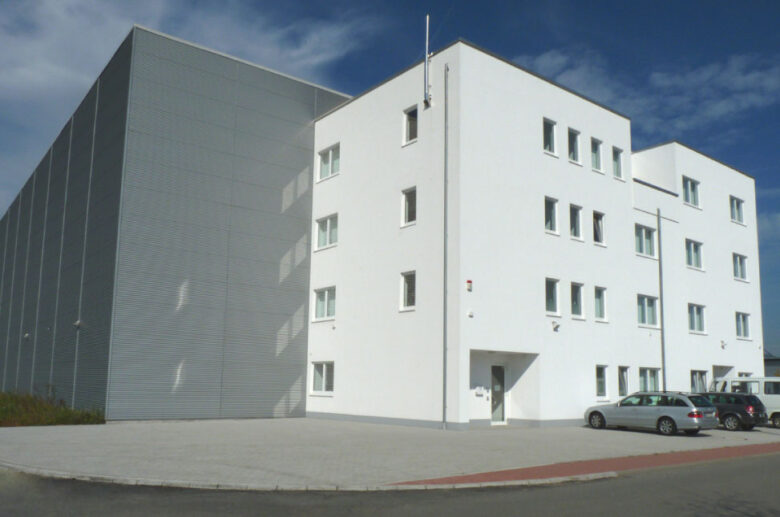
- Long-term conservation and storage of electronic components such as parts, assemblies, displays, wafers and DIEs in high-security buildings for up to 50 years
- Worldwide unique long-term conservation process
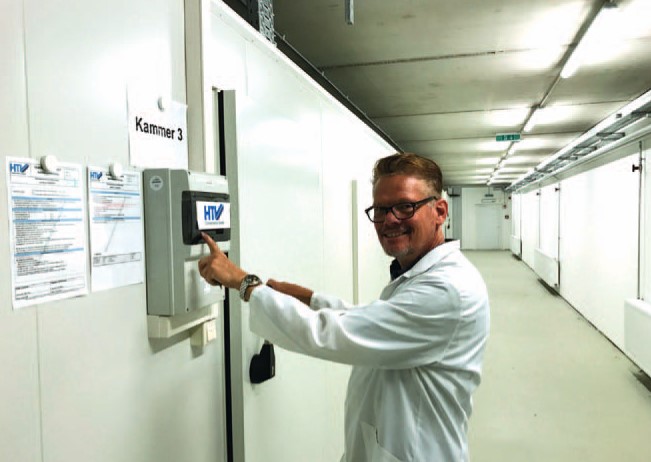
- Climate chambers in high-security buildings prevent aging processes during long-term conservation
- Cyclic energization:
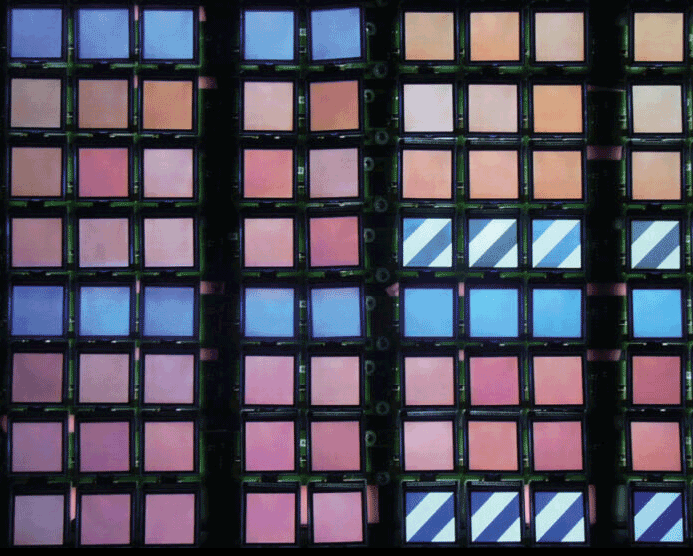
- Maintenance of functionality of components and assemblies (e.g., displays, capacitors) through regular energization
- Relifing according to ECSS-Q-ST-60-14C
- Cyclical goods valuation
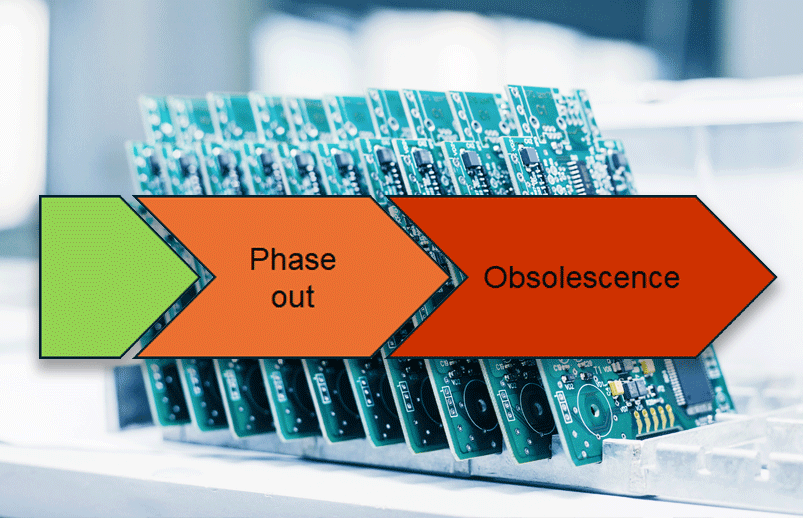
- Obsolescence management:
- Various HTV services in the field of obsolescence management: e.g. long-term storage, qualification of substitutes, seminars and much more
- Alternative storage options:
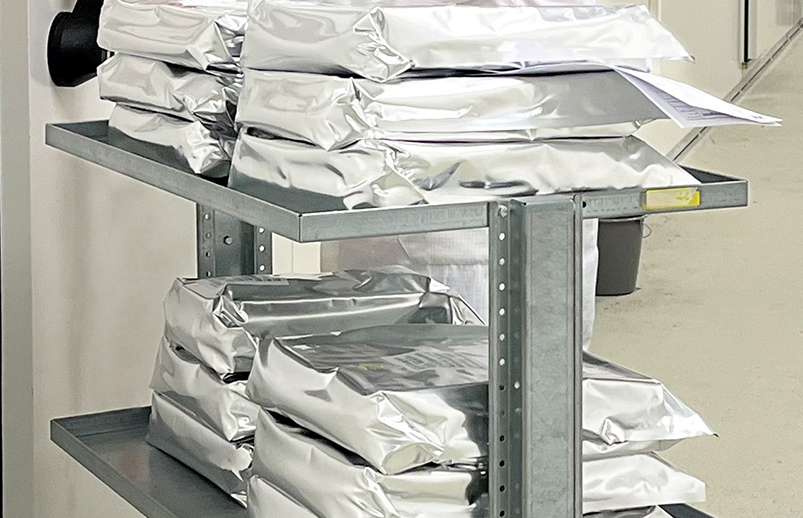
- Storage in nitrogen dry packs for short-term storage periods
- Storage and sale of original packaged components from customer excess stock with HTV-EverStock
- Long-term storage and conservation of documents:
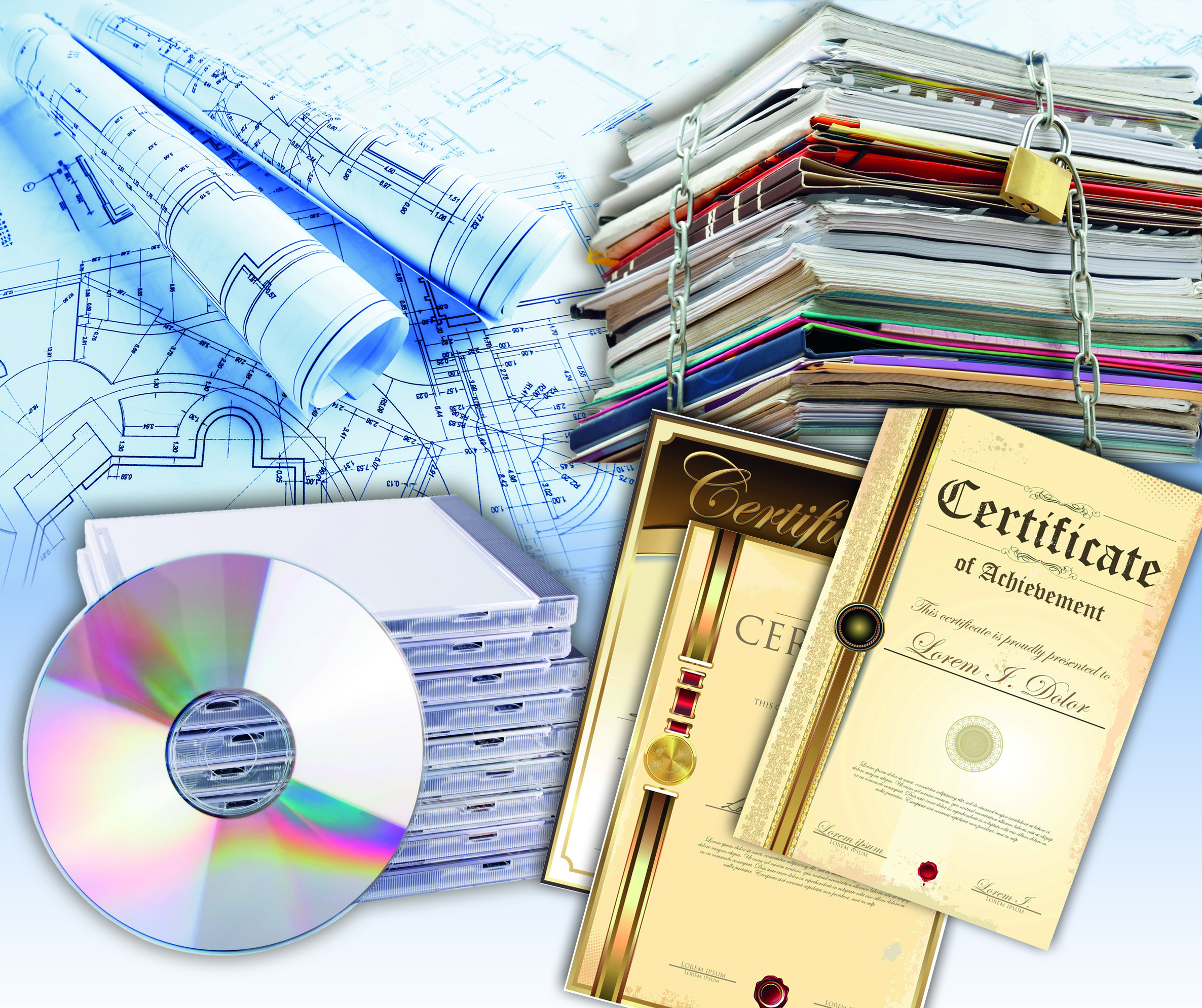
- Long-term storage and conservation of important documents and sensitive papers with HTV-PermaDoc®
Why HTV-TAB®PLUS Long-Term Conservation?
The continuous development of electronic components and the consolidation of product lines lead to constant and short-term product discontinuations by manufacturers. This results in a lack of availability of essential electronic components. Through our long-term preservation and storage, we assist companies in ensuring the production, maintenance, and repair of their own products and capital goods, as well as extending their lifecycles.
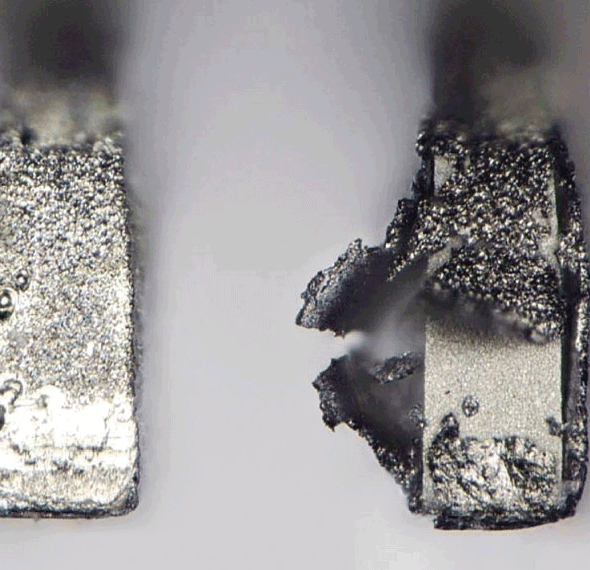
Conventional storage methods such as nitrogen dry packs offer storage for a maximum of 2 years at best. However, after 1-2 years, aging processes such as diffusion can jeopardize the processability and functionality of electronic components.
With the unique HTV-TAB®PLUS Long-Term Conservation process, we effectively halt the physico-chemical aging processes. A special atmosphere and targeted temperature reduction enable long-term storage of up to 50 years.
Strategic importance of storage – Obsolescence management
The storage or stockpiling of electronic components is an essential part of proactive obsolescence strategy. By identifying availability risks early on, companies can act proactively and avoid significant costs such as redesign processes.
Technical article:
Long-Term storage of electronic components – an alternative to redesign (German language)
An important element in proactive obsolescence management for HTV
